

Walk into the velvet-lit corridor that leads to a private gaming salon and you step into a different economy of risk, reward, and ritual. Luxury casinos trade in more than chips and cards; they sell atmosphere, discretion, and the feeling that the world is momentarily organized around your choices. This article explores what those places are like, how they operate, and why the high-stakes table has as much to do with psychology and service as with math.
What makes a luxury casino different?
At a basic level, upscale casinos offer higher limits and more privacy than their mass-market counterparts, but the distinction runs deeper. Everything from lighting and acoustics to who greets you and how quickly a request is fulfilled is calibrated to produce comfort, confidence, and a sense of exclusivity.
Luxury establishments think in layers: a public floor for casual play, semi-private lounges for regulars, and private salons for the biggest patrons. Those layers map not just spending power but expectations — of speed, of trust, and of being known, not merely served.
Service culture is the currency. Dealers and hosts are trained to read micro-expressions, remember preferences, and remove friction without announcing themselves. In that craft, a well-run salon can turn variance into an experience that feels almost like craftsmanship.
A short history of high-stakes gaming
High-stakes gambling is as old as organized gaming itself, but its modern form evolved alongside travel and wealth concentration. Early European salons catered to aristocrats who treated gaming as diversion and social theater; later, American and Asian resort casinos institutionalized the high roller as a marketing category.
In the mid-20th century, Las Vegas reinvented itself around spectacle and hospitality, introducing comps and credit lines to attract whales — players who bet enormous sums. Macau pushed the scale even further, mixing casino culture with high-volume baccarat play and family-run junkets that brought affluent mainland visitors.
Today’s luxury gaming spaces blend those histories with contemporary priorities: compliance, technology, and personalized service. The result is a global ecosystem where private rooms, tailored promotions, and digital concierge services coexist with old-school dealer skills and cardroom lore.
Design, atmosphere, and architecture
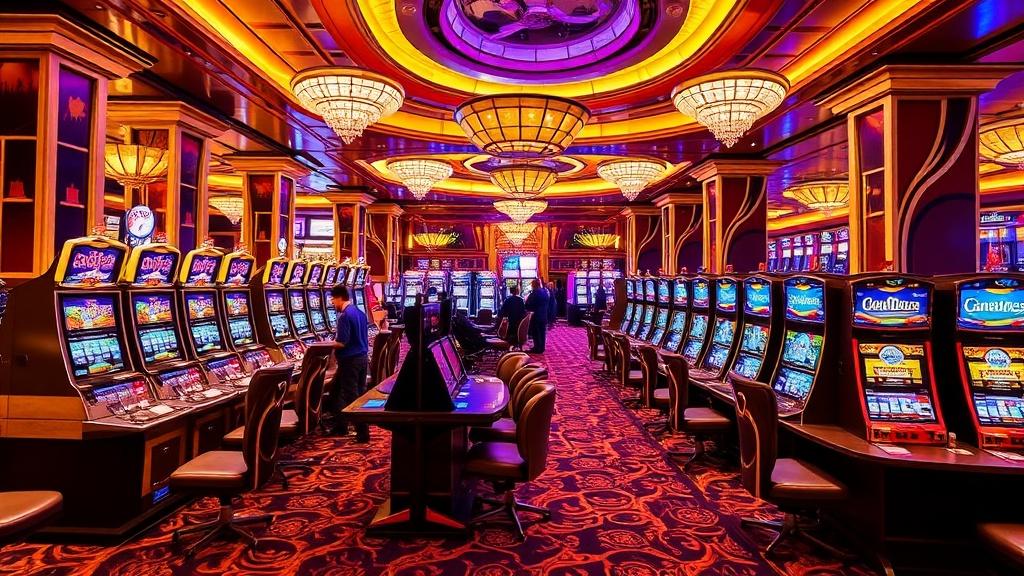
Design in high-end casinos is purposeful. Architects and set designers collaborate to create sightlines that protect privacy while maximizing perceived abundance. Materials are chosen to dampen noise and reflect a sense of permanence: stone, brass, leather, and heavy textiles.
Lighting is a tool for mood management. Subtle, zoned illumination keeps main floors lively while allowing VIP rooms to feel intimate and insulated. Sound design — both actual acoustics and curated background music — helps sustain the tempo of play without jarring interruptions.
Private salons frequently include amenities you won’t see on the casino floor: private bars, art collections, direct access to high-end restaurants, and suites with discrete entrances. Those features transform a gambling space into a mini-resort designed to lengthen stays and deepen loyalty.
Games, odds, and bespoke experiences
High-limit rooms often offer the same fundamental games—blackjack, baccarat, roulette, and craps—but the rules, minimums, and table etiquette differ. Baccarat, for instance, dominates many Asian high-stakes rooms and can generate enormous turnover over short periods.
Rules can be adjusted in VIP rooms to reflect negotiated terms: reduced commission on baccarat, bespoke blackjack rules, or private craps tables with higher limits. These alterations are not random; they are part of contractual relationships between player, host, and casino.
Bespoke experiences go beyond rules. Some casinos create custom tournaments, private dealer assignments, or curated side events like ski trips or yacht nights for top clients. The goal is to convert episodic play into an ongoing relationship that feels both exclusive and personally rewarding.
VIP services, comps, and perks
Comps in the luxury world are less about free buffets and more about access and convenience. Private jets, personal chefs, and villa accommodations are within the realm of possibility when a player’s expected value justifies the expense. Credit lines and loss rebates are another important tool to keep big players in the game.
Beyond the obvious material perks, psychological benefits matter. Fast-tracked service at restaurants, guaranteed tables during peak times, and a single point of contact for fulfilling requests reduce friction and create a sense of control for the guest.
Casinos also design loyalty programs to recognize and reward frequency and volume. While many benefits are discretionary, top-tier players earn structured advantages that can include complimentary travel, event invitations, and bespoke experiences tied to their interests.
Typical vip tiers and benefits
The following table illustrates common tiers and representative perks, though specifics vary widely by property and jurisdiction. Think of this as a practical snapshot rather than a universal standard.
| Tier | Typical criteria | Representative perks |
|---|---|---|
| Silver/Preferred | Frequent casual play or small credit lines | Reserved seating, birthday comps, priority reservations |
| Gold/Platinum | Regular higher-stakes play, referred clients | Room upgrades, dining credits, moderate credit limits |
| High roller/VIP | Large, sustained turnover or huge single visits | Private salons, private hosts, travel & lifestyle perks, high credit lines |
| Whale/Private client | Exceptional daily or weekly volumes, negotiated contracts | Personal concierge, exclusive events, bespoke credit and rebate packages |
The psychology and etiquette of high-stakes play
High-stakes rooms cultivate a specific social code. Discretion is prized; ostentation is tolerated only when it contributes to the room’s atmosphere. Dealers expect composure, even during wild swings, and hosts enforce rules that preserve the game’s flow.
Players themselves often learn to mask emotion. Losing streaks can be private and brief, while big wins are managed with a blend of quiet satisfaction and controlled celebration. This culture stabilizes the environment and keeps attention focused on play rather than spectacle.
Etiquette extends to money and conversations. Discussing lines, credit, or payouts openly is generally taboo. Good etiquette smooths social interactions and reduces the risk of conflict, which in turn keeps the casino’s service machine running efficiently.
Responsible gambling considerations for big spenders
The habits that make a player attractive to casinos—frequent, large wagers—also increase the risk of harm. Casinos and regulators now emphasize responsible gaming protocols, offering self-exclusion tools, spending limits, and staff training to identify problematic behavior.
High-limit rooms complicate intervention because transactions may be opaque or mediated through credit lines and comps. That makes vigilance from hosts and compliance teams essential; identifying distress or dangerous patterns early can prevent larger harm.
Players should treat big-game sessions like any other financial decision: set explicit loss limits, schedule breaks, and keep separate funds for gambling. Professional players often emphasize bankroll management as the single most reliable method for staying in the game long term.
Technology, data, and personalization
Modern casinos are data operations in disguise. Every bet, comp, and reservation becomes a data point used to refine offers, predict behavior, and tailor experiences. Advanced analytics help hosts anticipate needs and preempt friction, from preferred drinks to table availability.
Surveillance and compliance systems operate alongside personalization platforms. That creates tension: the same data that enables a seamless kitchen-to-suite service may also feed regulatory requirements and internal risk flags. Managing those dual uses is a major operational challenge.
Technology also enables hybrid experiences. Some properties offer live-streamed private tables, encrypted messaging for hosts, and app-based scheduling that bridges the physical and digital relationship between player and property. The future of VIP service will look increasingly omnichannel.
How to qualify for VIP rooms and what to expect
Qualifying for a private salon rarely happens by accident. Casinos track theoretical loss, actual turnover, and referral potential before extending invitations. Building a relationship with a host or playing consistently in higher-limit areas is the most reliable path in.
Expect an initial vetting conversation if you’re invited. Hosts will discuss preferred games, travel habits, and the types of perks that motivate you. This is part hospitality and part risk assessment: the property needs to ensure both value and compliance.
Once inside, expect heightened discretion and access. You’ll meet a compact team around you: a dedicated host, a favored dealer, and support staff who know your preferences. Service is proactive; requests that would take longer on the public floor are handled almost instantly in the salon.
Real-life examples and personal experiences
On a trip to Las Vegas several years ago I watched a private baccarat session where numbers moved so fast the floor felt like a modern trading room. The players wore simple clothes, but their gestures and the room’s rhythm made it clear they were operating on a different economic scale.
In Macau I saw how cultural norms shaped behavior: family connections and introductions mattered as much as credits on paper. Hosts would spend weeks cultivating relationships, and large visits often included multi-day itineraries that combined business, family, and play.
I’ve also spoken with a former pit manager who emphasized consistency. “We don’t invite someone because of one big night,” she told me. “We invite them because they’re predictable. Predictability is how we price risk.” That remark captures the intersection of hospitality and finance that defines high-limit gaming.
Economics and community impact
Luxury casinos create concentrated economic effects. They generate high-paying hospitality jobs and attract tourism, but they can also distort local markets by driving property values and concentrating wealth in specific districts. The net impact depends on regulation and the local economy’s ability to diversify.
Casinos can act as accelerants for broader development: luxury hotels, designer retail, and fine dining often cluster around them. That clustering can be beneficial if it broadens the tax base and creates sustained employment, but it can also increase inequality if the gains remain narrowly distributed.
Understanding these dynamics matters for policymakers. Thoughtful regulation can capture economic benefits while mitigating social costs, but poorly designed policies may enable externalities that outweigh short-term fiscal gains.
Legal, tax, and regulatory landscape
High-stakes gaming exists within a dense web of regulation that covers licensing, anti-money-laundering (AML) measures, and tax rules. Jurisdictions differ widely: some tax gaming income heavily; others use lenient regimes to attract operators. Players and casinos must navigate that patchwork carefully.
Compliance obligations are particularly acute for VIP operations because large transactions can raise AML flags. Casinos often require enhanced due diligence, source-of-funds checks, and detailed record-keeping for private clients. Hosts are trained to manage these discussions tactfully and legally.
Tax treatment for big winners varies. In some countries, casino winnings are taxed heavily at source; in others, the burden falls on the player’s home jurisdiction. Prospective high-stakes players should consult legal and tax advisors before embarking on sustained international play.
Land-based versus online luxury gaming
Online platforms have begun to replicate aspects of the high-end salon through private dealer streams, invitation-only tournaments, and personalized service features. These digital experiences can be more accessible, cheaper to maintain, and easier to scale than physical salons.
However, online luxury gaming still struggles to match the sensory and social elements of an in-person salon. The handshake, the whisper of chips, the private alcove—those things are difficult to emulate on a screen. For many top clients, physical presence remains essential.
That said, hybrid models are emerging. Players might begin relationships online, then migrate to a physical salon during travel, or vice versa. Operators who master both channels can offer continuity and resilience by blending convenience with presence.
Practical tips for anyone aiming for the vip level
Think of VIP access as a relationship you build, not a prize you claim. Play consistently, be courteous, and cultivate a relationship with a host rather than treating the casino like a vending machine. Long-term behavior gets noticed more than a flashy one-night session.
Manage your bankroll. The temptation to chase large wins in private salons can be intense; disciplined players define risk tolerances beforehand and stick to them. If you plan to use credit lines, understand the terms and potential liabilities clearly.
Respect the culture. Learn the basic etiquette of the games you plan to play, arrive on time for reserved tables, and honor the privacy norms of the salon. Good manners and predictability increase your perceived value to the casino as much as your bets do.
- Keep records of play and limits.
- Ask about comp valuation and negotiation paths.
- Use a single trusted host for multi-property relationships where possible.
Trends shaping the next decade in luxury gaming
Personalization will grow more sophisticated. Expect AI-driven offerings that adapt promotions, room configurations, and even table rules to individual behavioral profiles while staying within regulatory guardrails. The result will be hyper-targeted service that feels effortless.
Sustainability and social governance will also become part of the calculus. High-net-worth clients increasingly pay attention to environmental and ethical practices, and casinos will need to demonstrate responsible operations and community engagement to remain attractive.
Finally, global flows of wealth and regulation will create new hubs and redeploy old ones. Emerging markets may develop boutique luxury casinos tailored to regional preferences, while established centers evolve into experience-driven destinations that blend gaming with culture and wellness.
Luxury casinos occupy an intriguing intersection of hospitality, finance, and theater. Whether you’re a curious observer, a prospective VIP, or a policymaker, understanding the mechanics beneath the glitter reveals a sophisticated ecosystem where relationships, risk management, and design converge. The private salon is not just a place to gamble; it’s a microcosm of how modern luxury repackages chance into a curated experience that can be both intoxicating and instructive.