

River Rock Casino Resort sits where city, water, and nightlife meet, and that mix makes parking more of an art than a chore. Whether you’re visiting for a concert, a weekend stay, or a spontaneous night out, a few practical steps will turn the parking experience from stressful to smooth. This guide walks through everything from planning your arrival to choosing alternatives if the lots are full.
where the parking puzzle begins
The casino complex is part of a busy Richmond corridor that serves hotels, restaurants, and a riverfront promenade, so parking is a shared resource. On many nights—especially weekends and event evenings—lots fill quickly, and staff may redirect cars to overflow areas. Understanding how the site organizes short-term, overnight, and event parking will save time and frustration.
Municipal rules, private operators, and the resort’s own policies can all affect where you can park and what fees apply. That means a little pre-trip research pays off: check the resort’s website and look for posted signage the moment you arrive. If you’re coming from another city in Canada, anticipate that signage and payment systems can differ slightly from what you’re used to at home.
what the lot numbers mean and how to find them
Large complexes label their lots and ramps to keep traffic flowing and to give patrons quick reference points. Lot numbers often correspond to specific entrances, levels, or permit types, and they help valet attendants, security, and attendants coordinate. When you receive directions that reference a lot number, follow on-site signage rather than relying solely on memory.
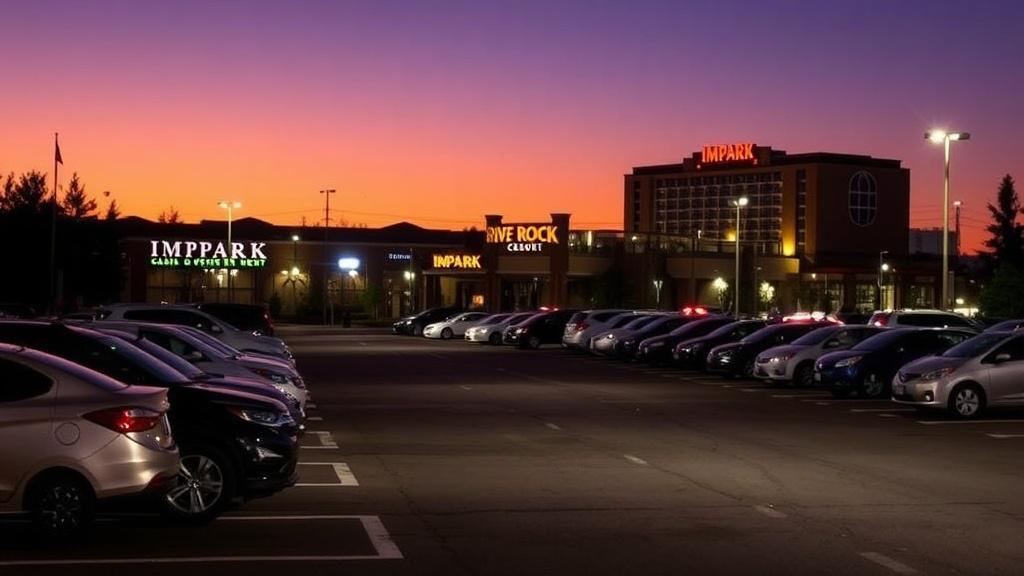
If you see a reference that looks like a specific operator and lot—such as impark river rock casino resort parking lot 1800—treat that as a search term to locate more information, not an absolute guarantee of current management or hours. Companies and lot assignments can change, so confirm details via official casino communications or municipal parking pages before you go.
plan your timing: beat the rush
Timing is the simplest lever to pull when parking options are limited. Arrive early for concerts and weekend shows; arriving 30–60 minutes before doors open gives you access to the closest lots and reduces stress. Midday weekdays are often quieter, although special events and conventions can still cause local spikes.
If you have a flexible schedule, aim for off-peak arrival or consider attending earlier performances and events. For overnight hotel guests, check the hotel’s designated check-in time and parking policy so you don’t park in a lot reserved for daily turnover.
entry options: valet, self-park, and everything between
Many resorts offer a mix of parking experiences: self-park in a garage or lot, valet at the front entrance, and sometimes designated spots for hotel guests or casino players with membership status. Valet saves time but comes with a fee and waits at peak moments. Self-parking can be cheaper but requires a short walk and occasional navigation of full lanes.
When you arrive, look for clear signage and lane control personnel who will direct you to available areas. Follow their instructions—especially during events—as they have the best real-time view of capacity and traffic flow. If you value convenience over cost, valet is often worth the premium during busy times.
paying to park: what to expect
Payment methods vary by lot and operator. Card readers, contactless taps, and pay machines are common, as are mobile-payment platforms that let you pay from your phone and extend sessions remotely. Keep a payment method handy, and check for posted instructions that include any validation options for hotel guests or casino patrons.
Some venues offer validated parking for dining or gameplay for a limited number of hours. If you expect to be on site for an extended period—overnight stays or multi-day events—ask staff or consult the resort’s website about in-and-out privileges. Policies can change between regular days and special events, so reconfirm if your plans shift.
accessibility and mobility considerations
Accessible parking spaces are required and typically located closest to building entrances, but availability can vary during busy periods. If you or a companion requires a mobility-accessible space, present your mobility permit and arrive early to secure an optimal spot. The resort’s guest services can often provide assistance and alternative routes to minimize walking distance.
For people using wheelchairs or mobility devices, check whether curb cuts, ramps, and elevators are in service before arrival. If you’re uncertain, a quick call to guest services or security on arrival will confirm the best access points and any temporary changes due to construction or events.
electric vehicles and charging stations
Charging stations are increasingly common in major Canadian parking facilities, but availability and speeds vary. If you drive an EV, plan ahead: locate charging bays, check whether they’re reserved for hotel guests or first-come-first-served, and bring a backup cable if your charger type differs from the unit on site. Chargers can be occupied for long periods, so have a contingency plan.
Even if chargers are present, peak demand during events may leave none available, and fees can apply on top of parking costs. If you must guarantee a charge, consider staying at a hotel with dedicated EV parking or using a public charger before arriving at the casino complex.
safety and security: protecting your vehicle and peace of mind
Large parking areas can be well-lit and monitored, but you should always lock doors, conceal valuables, and avoid leaving electronics or bags in plain sight. Note the location of security kiosks and emergency phones when you park, and store landmarks—like level and stall number—so returning to your car is straightforward. Security cameras can deter theft, but proactive habits are your best defense.
If you plan to use the parking structure late at night, park near entrances or active zones with pedestrian traffic for safer walks to your destination. Consider traveling in groups after late shows or events, and use valet where available if you prefer a staff-handled retrieval to walking alone in dimly lit areas.
public transit and options that avoid parking altogether
Public transit often provides the easiest route to busy entertainment districts, especially for evenings and event nights. In the Richmond area, the rapid transit line and frequent buses connect to downtown Vancouver, nearby neighborhoods, and the international airport, making a transit-and-walk approach convenient for many visitors. Using transit also eliminates parking fees and the stress of finding a spot during packed events.
For travellers coming from other cities in Canada, combining a transit journey with a shorter local connection—like a rideshare or short taxi leg—can be faster and cheaper than driving and parking. Transit timetables can change for holidays or special events, so consult updated schedules and plan extra time for transfers.
rideshare and taxi pickup/drop-off locations
Designated rideshare and taxi zones streamline passenger flow and reduce curbside congestion. These zones are usually marked and staffed during large events, but if they’re not in service, follow staff directions to the nearest safe loading area. Rideshare apps often provide instructions that match the operator’s preferred pickup point—use those to find your driver quickly.
Rideshare rides can be cheaper than parking for short visits or when traveling in small groups. Remember that surge pricing can apply during peak times, so compare the total cost of rideshare versus parking before choosing your mode.
navigating event days and sold-out shows
When a headline performer or large tournament is scheduled, the best strategy is to assume the nearest lots will be full. Arrive earlier than usual, accept parking marshals’ directions to overflow lots, and plan for a short shuttle ride or additional walking time. Event staff coordinate overflow parking proactively, so follow their guidance for the fastest route into the venue.
Buying tickets early sometimes offers pre-booked parking options or discounted validation—check the event listing when you purchase. If a show sells out, consider hotel packages that include parking or park farther away and use local transit to avoid circling for a spot.
remote parking and shuttle services
During very busy events, remote parking with shuttle service is a common solution. These shuttles operate on a loop and reduce local congestion near the venue. Shuttle pick-up points are typically well signed, and staff will guide you to the boarding area; plan on a modest extra travel time when using this option.
If you’re coordinating a group, remote lots and shuttles can be cost-effective and offer easier post-event departures. Group members who want to leave earlier can do so without waiting for everyone to return from the event parking areas.
hotel guest policies and overnight stays
Hotel guests often receive preferred parking rates or in-and-out privileges, but policies differ between resorts and even between room types. If you’re staying overnight, confirm whether parking is included, if there’s a daily fee, and whether the lot provides in-and-out privileges without additional charge. These details matter especially if you plan to leave the property briefly and return later the same day.
When booking a package, ask about bundled parking or VIP options that can reduce hassle during busy periods. The front desk can also provide instructions for where to park for the shortest route to your room or the most convenient elevator bank for luggage.
signage, wayfinding, and technology that helps
Wayfinding at large complexes combines digital and physical cues: directional signs, lane marshals, and sometimes real-time vacancy displays. Pay attention to overhead signs and painted level markers that show your position in the structure. Taking a photo of the level and section on your phone is a simple habit that prevents long, panicked searches after late-night events.
Many operators offer apps that show real-time availability or let you pre-pay for a space. These apps can also provide invoices and extend parking time remotely, which is handy if your plans change. If you’re visiting from another part of Canada or overseas, download the relevant app before you leave to avoid delays at the pay station.
special considerations for commercial vehicles and oversized cars
Large trucks, vans, and vehicles with trailers may be restricted from certain lots or garages due to height and maneuverability limits. Before you plan to park in a multi-level garage, confirm the posted clearance height and any overnight restrictions. If you’re hauling equipment for an event, reach out to guest services in advance to arrange loading zones or oversized-vehicle parking.
Motorcycle parking is frequently available and can be a space-efficient option, but be sure to lock your vehicle and use designated motorcycle zones rather than car stalls. These zones are typically free or offered at a reduced rate to encourage efficient use of space.
lost ticket, stolen ticket, and appeals
If you lose your ticket or suspect it has been stolen, notify a parking attendant immediately and follow the posted procedure. Most lots have a standard protocol for lost tickets that involves a flat fee, and camera records can help resolve disputes. Keep receipts and take photos of your parking location when feasible as evidence for any billing questions.
In the event of an incorrect charge or a contested fine, contact the parking operator or the resort’s guest services promptly. Clear documentation and timely communication usually resolve billing issues quicker than waiting weeks to appeal a charge.
environmental considerations and greener travel
Choosing public transit, rideshare, or carpooling reduces the carbon impact of a night out and eases local congestion. If sustainability matters to you, look for hotels and venues that offer EV chargers, recycling, and energy-efficient lighting in parking areas. Small choices—like parking once and walking to multiple nearby venues—add up over time.
Many cities in Canada are expanding active-transport infrastructure, making it easier to bike or e-scooter from nearby hubs to entertainment districts. If you opt for micromobility, lock your device properly and follow local rules about where to park it so you don’t block walkways or create hazards for pedestrians.
what to do if your car is towed or ticketed
If you return to your stall and find your vehicle missing, look for posted towing contact information and call the listed number immediately. Towing companies typically document the reason for removal and can direct you to the impound lot. Save time by recording the license plate and location before you leave a friend’s or event so you can report the situation accurately.
Tickets are a common frustration, but they often result from simple violations—expired permits, parking in restricted zones, or misreading time limits. If you believe a ticket was issued in error, keep the ticket, collect any evidence and photos, and follow the appeals process stated on the citation or the operator’s website.
using membership and loyalty perks for parking
Casino loyalty programs sometimes offer parking discounts, validation, or expedited services for members. If you plan to visit regularly, joining a loyalty program can yield tangible convenience and savings. Check what tiered parking benefits exist and whether they require points, minimum spend, or registration in advance.
For frequent visitors, a membership or hotel guest account with the resort may include parking privileges that simplify nightly routines. Always register your vehicle details if the program requests them, so benefits apply smoothly at arrival and departure.
cost-saving strategies and budget tips
Park farther away and walk—or use a short local transit leg—to avoid premium garage fees. If you expect to spend several hours, compare the total cost of parking with the cost of a rideshare there and back. For groups, splitting a rideshare can be cheaper than paying multiple parking fees.
Look for restaurants or businesses near the resort that offer validated parking with a modest minimum purchase. Sometimes dining at an affiliated location provides a few hours of free or reduced-cost parking, which can be a smart move if you plan to eat before an event.
communication on the day: working with staff and signage
Staff and parking marshals are your best real-time resource when lots are busy. They receive updates about incoming traffic and will direct vehicles to the most efficient spaces. Be patient and follow instructions—their guidance usually shortens delays for everyone.
If you encounter unclear signage or an unexpected change in lot access, ask a staff member for clarification before you commit to a lane or ramp. A quick question often prevents a longer detour and keeps the flow smoother for all drivers.
technology pitfalls: what to watch for
Mobile payment apps streamline parking but can fail if your phone battery dies, signal drops, or you enter the wrong space number. Save the lot number, take a screenshot of payment confirmation, and carry a backup payment method. If you experience a technology issue, seek an attendant or look for a physical pay station to complete the transaction.
Some apps apply convenience fees that appear only at checkout, so check the final price before confirming payment. If you prefer to avoid digital fees, use on-site pay kiosks where available—just be sure they accept your payment method.
making the most of short visits and quick stops
For brief visits—dining, a quick gamble, or a short meeting—park in short-term zones or use valet for rapid drop-off and pick-up. Familiarize yourself with the layout so you can exit quickly and avoid long walks to outlying lots. Short visits also benefit from mobile payment systems that avoid queues at kiosks.
If you’re running errands near the resort, consider combining stops into one return trip to minimize the number of times you move your car. Consolidating trips reduces both expense and time spent searching for new spots.
my on-site experience and a simple routine I follow
On several trips in and around the Vancouver area, I found that arriving 45 minutes early for evening shows changed everything: I parked close, took a calm walk into the venue, and avoided the post-show crush. I also make it a habit to snap a photo of my parking level and stall number before heading inside—small action, huge payoff when I’m tired at midnight.
Another habit that saves time: I keep a small pouch with a business card from my hotel and an image of my parking receipt on my phone. That way, if a staff member needs verification of my parking privileges or a lost-ticket code, I can produce it quickly and keep the exit line moving.
local context: parking culture in Richmond and the surrounding region
Parking norms in this region reflect a mix of urban density, strong transit infrastructure, and significant tourist and airport traffic. Expect widely varying demand levels depending on festivals, sports events, and travel peaks tied to holiday seasons. For visitors from other parts of Canada, this means planning to be flexible and to use multiple transport options where possible.
City planners and private operators often tweak hours and pricing to manage demand, so consult current resources like the resort’s official communications and municipal parking pages for the latest guidance. Being ready to adapt—two arrival windows, alternate transit routes, or a pre-booked lot—keeps the night fun instead of frustrating.
summary checklist: what to bring and what to do
Before you leave home, make a short checklist: payment method, loyalty card or hotel confirmation, EV cable if needed, and a charged phone with parking app downloaded. If you’re traveling with others, agree on a meetup spot in case cell service falters. A little preparation reduces delay and keeps the evening on track.
Below is a concise table that captures essentials to scan quickly before any trip to a busy entertainment venue.
| Item | Why it matters |
|---|---|
| Payment method | Allows quick exit and avoids kiosks if apps fail |
| Photo of parking location | Speeds return to car after late events |
| Hotel or loyalty confirmation | Validates parking discounts or privileges |
| EV cable | Ensures ability to charge if port types differ |
final practical notes before you go
Keep an eye on the resort’s official updates and municipal traffic alerts, especially during festival seasons and major sporting events. Those alerts will tell you about temporary closures, construction-related changes, and special shuttle arrangements. Being informed equals faster entry, fewer surprises, and a smoother night out.
Above all, allow a small buffer of extra time on both arrival and departure. Parking hiccups are rarely dramatic when you build a little slack into your schedule: arrive early, follow staff directions, and enjoy the evening without rushing. With a bit of planning, your next visit to River Rock Casino Resort can be the relaxed, enjoyable outing it was meant to be.